Today, on July 21, according to the new church calendar, Ukrainian Orthodox Christians honor the memory of the holy Prophet Ezekiel, as well as the Venerable Simeon the Holy Fool and his companion John. The Prophet Ezekiel lived in the 6th century BC and went down in history for his prophetic visions and calls for the moral purification of society. The Venerable Simeon and John were saints of the 6th century AD. They spent decades in the harsh desert near the Dead Sea, observing a strict fast and absolute silence to achieve spiritual insight. Later, Simeon returned to the people but chose the path of "holy foolishness" to hide his sanctity and help others through humility. In folk tradition, this day is called the "Day of the Silent Ones." It has long been believed that on July 21, one should avoid idle talk, gossip, and foul language, dedicating time to inner peace and prayer.
Nature Signs of the Day:
Abundant morning dew indicates that the day will be sunny and warm.
Rainy weather on July 21 foretells a lingering autumn but promises a generous mushroom harvest.
If the previous night was cold, expect an early and severe winter.
Morning fog over the water signifies upcoming warmer weather.
Name Days (Origins) on July 21:
Ivan (from Hebrew "God's Mercy"): People with this name are characterized by deep empathy and inner strength.
George / Yuriy (from Ancient Greek "Farmer"): Symbolize diligence, resilience, and dedication to their work.
Semen (from Hebrew "Heard by God"): Responsive individuals who know how to listen and sincerely support others.
Eugene (from Ancient Greek "Noble"): Bearers of this name often become protectors of the weak.
Peter (from Ancient Greek "Rock, stone"): Reliable and steadfast in the face of life's difficulties.
Roman (from Latin "Roman"): Decisive, responsible, and persistent.
Fedir (from Ancient Greek "Gift of God"): People who bring light, joy, and comfort into the lives of those around them.
Anna (from Hebrew "Grace, mercy"): The embodiment of boundless care, tenderness, and maternal sacrifice.
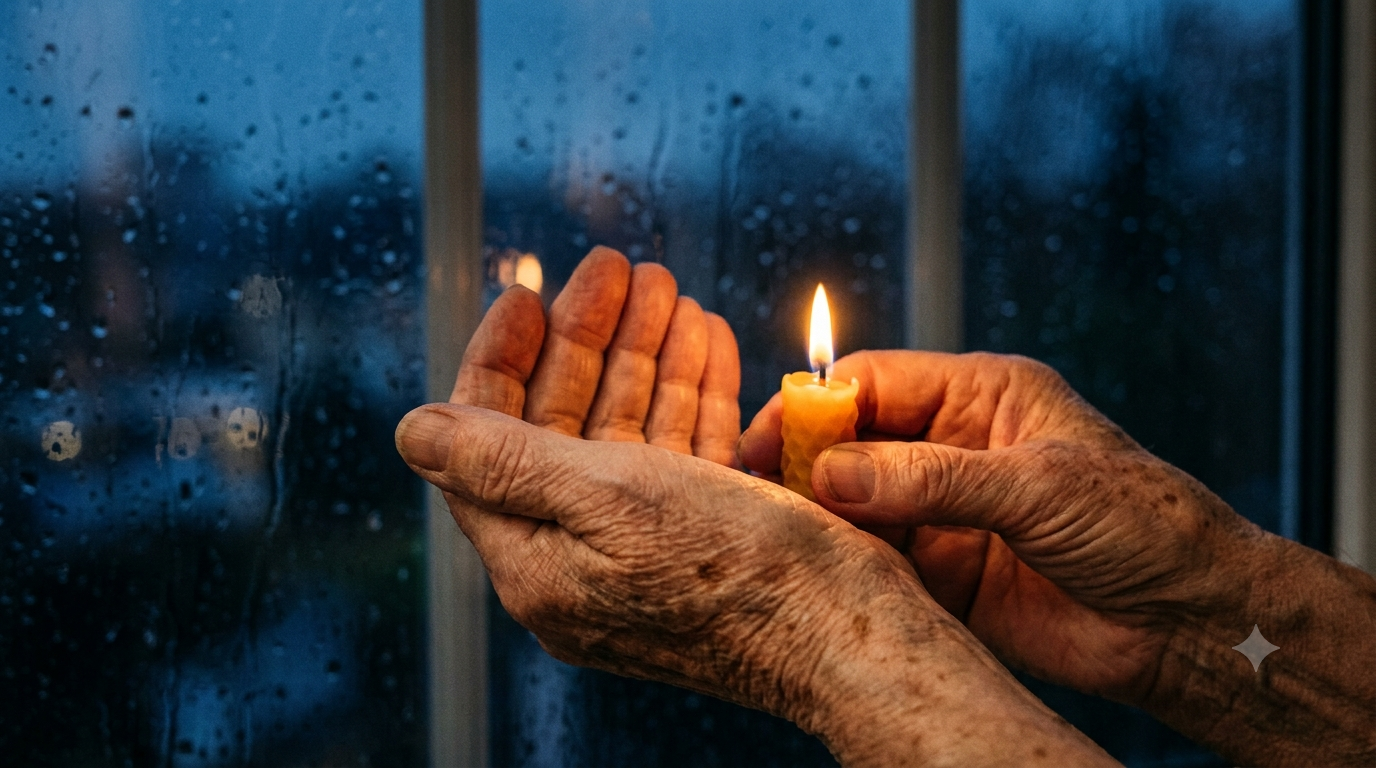
The Mission of the CF "Nadiya.ua": How We Overcome Destructive Silence The tradition of the "Day of the Silent Ones" teaches us to value silence as a tool for spiritual growth. However, in modern Ukrainian society, there is a silence that does not heal but hurts. While younger generations actively communicate, there are thousands of elderly people living in Ukraine whose phones remain silent for months. War, migration, and the loss of loved ones have led to the fact that many grandmothers and grandfathers find themselves in absolute social isolation. For them, this emotional deficit is the physical pain of having no one to ask about their health or if they need help.
The Charity Foundation "Nadiya.ua" provides systemic and long-term support to lonely elderly people who find themselves in difficult life circumstances due to the war. To break this tragic isolation and ensure stable help regardless of external crises, we do not spend all funds immediately. Instead, we build a Stable Reserve Fund, forming a stable capital (deposit), and direct the interest from it towards regular aid every year. Furthermore, for elderly people with severe respiratory diseases, we created the "Lung Fund" (Легеневий збір), which is aimed at purchasing oxygen concentrators and vital medicines. This equipment helps them breathe freely and relieves their physical suffering.
Do not let silence become a life sentence for a lonely person. Your donation is the most sincere manifestation of love that will leave a mark on a lonely person's heart. Support the development of the Stable Reserve Fund or the Lung Fund by making a secure contribution using official bank details (IBAN for UAH and EUR) listed on our website nadiya.co.ua or by using our payment QR code.
«Changes in the church calendar have brought back our ancestral traditions — now we celebrate the great feast of the holy and glorious Prophet Elijah on July 20. This day has long been shrouded in deep respect, a mystical awe of nature's forces, and an unwavering faith in divine justice.
History of the Holiday and Spiritual Meaning Prophet Elijah is one of the most prominent figures of the Old Testament, who lived in the 9th century BC in the Kingdom of Israel. His name means "My God is the Lord." In times when the rulers of Israel, King Ahab and Queen Jezebel, turned away from the true God and planted the cult of the pagan deity Baal, Elijah became the voice of truth. For his fervent sermons, he suffered persecution but performed great miracles: he stopped the rain, causing a three-year drought, raised the dead, and brought down fire from the sky. For his devotion, Elijah was taken to heaven alive in a fiery chariot drawn by winged horses. That is why, in the popular imagination, the rumble of thunder has long been associated with the movement of his chariot across the clouds.
Nature's Signs on July 20 In Ukrainian culture, Elijah is considered the master of rain, thunder, and lightning. The main proverb says: "Before Elijah, a peasant bathes, but after Elijah, he says goodbye to the water." It was believed that after July 20, the water in the reservoirs becomes cold, and summer begins to turn to autumn. Muffled thunder on this day foreshadowed quiet rain and a rich harvest, while loud thunder meant lingering bad weather. Rain on Elijah's day was considered healing: it not only saved from fires but also washed away all diseases.
Parallels with the Present: The Storm of Loneliness The life of a lonely elderly person often resembles a terrible drought or a ruthless storm. Left alone with the consequences of the war, having lost their loved ones, they face pain and illness every day. For many grandmothers and grandfathers with respiratory diseases, every breath becomes a test. They lack that very healing breath of fresh air, which symbolizes the rain after a long heatwave.
That is why the "Nadiya.ua" Charitable Foundation is continuously running the Lung Care Collection. Our goal is to provide lonely seniors with oxygen concentrators, medicines, and medical support. Just as rain on Elijah's day brings relief to the scorched earth, your donation brings oxygen to those suffocating from illness and loneliness. May Saint Elijah protect your families from storms, and please — help us become a safe haven for the elderly.»
December 4: The Day of the Great Martyr Barbara and the Venerable John of Damascus
According to the New Julian Calendar (New Style), which the Orthodox Church of Ukraine (OCU) adheres to, on December 4, the faithful commemorate two great saints: the Great Martyr Barbara and the Venerable John of Damascus. This day combines the remembrance of the martyric feat of the early Church with the flourishing of theological thought.
1. The Great Martyr Barbara: Protector from Sudden Death
The Great Martyr Barbara lived in the 3rd century in the city of Heliopolis (the territory of modern Syria).
The Story of the Saint
Barbara was born into the family of a wealthy pagan named Dioscorus. To shelter his daughter from the world and unwanted contact, her father confined her to a high tower. In this isolation, Barbara dedicated herself to studying the world and, reflecting on its harmony, came to believe in the One God.
When her father allowed her to meet with tutors, she secretly received baptism.
Symbol of Faith: According to tradition, Barbara ordered a third window to be cut into her tower, so there would be three — in honour of the Holy Trinity (Father, Son, and Holy Spirit).
Martyrdom: Upon learning of his daughter's baptism, Dioscorus subjected her to cruel tortures and then personally beheaded her. Immediately afterward, Dioscorus and the ruling tormentor were struck by lightning as punishment for their wickedness.
Veneration and Significance
The Great Martyr Barbara is one of the most revered saints in the Orthodox world. She is particularly invoked for:
Protection from sudden death without repentance and communion.
Assistance during severe illnesses.
Intercession for the mining industry (she is considered the patron saint of miners).
2. The Venerable John of Damascus: Hymnographer and Defender of Icons
The Venerable John of Damascus (c. 675 – c. 749 AD) is one of the greatest theologians, philosophers, and hymnographers of the 8th century.
Life and Works
John was born in Damascus to a noble Christian family and received an excellent education. He served at the Caliph's court but later left his secular career and retired to the Lavra of Saint Sabbas the Sanctified near Jerusalem, where he became a monk.
Theologian: He is the author of the main systematic work of Eastern theology — "The Fountain of Knowledge" (Fount of Knowledge), in which he expounded the dogmas of the Church.
Defender of Icons: John of Damascus was one of the principal fighters against the iconoclastic heresy. Thanks to his "Three Apologetic Treatises against Those who Attack the Holy Images," the veneration of icons was defended and subsequently restored.
Hymnographer: He is credited with writing numerous canons, stichera, and troparia that are still used in church services today.
The Miracle of the Hand
The most famous miracle associated with John: when the Caliph falsely accused him of treason and ordered his right hand to be severed, John fervently prayed before an icon of the Most Holy Theotokos. At night, the Theotokos appeared to him and miraculously healed the severed hand. In memory of this miracle, John attached a silver plate in the shape of a hand to the icon, which is why it is known as the "Three-Handed Theotokos" (Troeruchitsa).
3. Folk Traditions of the Day (in Ukraine)
In folk tradition, the day of the Great Martyr Barbara was often regarded as the start of the true winter cycle.
Women's Work: Winter needlework began on Varvara's Day. It was believed that one should definitely embroider something beautiful on this day, so that "Barbara would bless" the work.
Divination and Charms: On the eve of the holiday, girls would cut branches from cherry or other fruit trees and place them in water. If the branches bloomed before Christmas (December 25), it predicted an early and happy marriage.
Anticipation of Nicholas: Varvara's Day served as a kind of preparation for one of the main winter holidays — the Day of Saint Nicholas, which is celebrated two days later, on December 6.
December 6 — The Day of Saint Nicholas the Wonderworker: History, Traditions, and the Miracle of Unfailing Kindness
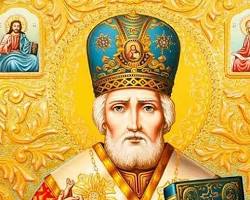
December 6, according to the New Julian Calendar (adhered to by the Orthodox Church of Ukraine), marks one of the brightest and most beloved holidays of the year — the Commemoration Day of Saint Nicholas, Archbishop of Myra in Lycia, the Wonderworker. This day, long considered the beginning of the winter holiday cycle, is filled with anticipation of miracles, gifts, and unwavering faith in the triumph of good.
The Story of the Saint: Life, Not Legend
Saint Nicholas was born in the 3rd century in the city of Patara (Asia Minor) to a wealthy and devout family. His entire life was dedicated to serving God and the people, making him the embodiment of mercy and secret charity.
Unlike many saints who were glorified through their suffering, Nicholas became famous for his love and assistance.
The Three Bags of Gold
The most famous deed of the saint, which began the tradition of giving, was the rescue of three sisters from shame and poverty. Their father, an impoverished merchant, planned to sell his daughters into servitude because he had no money for a dowry.
Nicholas, not wishing to humiliate the family with open charity, secretly tossed bags of gold through the window of their house on three separate nights. These funds allowed the girls to marry and saved the family from a tragic fate. This act became the basis for the image of the saint as a secret gift-giver and patron of children and the needy.
The Wonderworker and Patron
After the death of his parents, Nicholas distributed his entire inheritance and became a priest, and later, the Archbishop of Myra. He became famous as:
Rescuer at Sea: He is considered the patron saint of sailors, as he repeatedly saved the drowning and helped travellers during his lifetime.
Defender of the Unjustly Condemned: His intercession was always on the side of the wronged and those wrongly sentenced.
Pillar of Orthodoxy: Nicholas was a participant in the First Ecumenical Council in 325 AD, where he courageously defended the purity of the Christian faith.
🎁 Holiday Traditions in Ukraine: From Miracle to Charity
In Ukraine, the Feast of Saint Nicholas has always held special significance, turning into a day dedicated to children, joy, and philanthropy.
Gifts Under the Pillow (or in a Boot): The main tradition. Children believe that during the night, Saint Nicholas travels the world and brings presents to well-behaved children, leaving them under the pillow or in a specially prepared boot or stocking. Naughty children might find a rizochka (rod — a symbolic warning).
Saint Nicholas Day is a Celebration of Kindness: Traditionally, it is customary to help orphans, the sick, and the needy on this day. Adults often become "Nicholas' helpers," organizing charitable events and collections.
Beginning of Carols: In some regions, Saint Nicholas Day marks the start of winter festivities and the first attempts at caroling.
Nativity Fast: It is important to remember that the Nativity Fast is still observed on December 6. Although Saint Nicholas Day is a major holiday and the fasting rules are relaxed (fish is allowed), general restrictions remain.
New Date, Unchanging Miracle
With the Orthodox Church of Ukraine's transition to the New Julian Calendar, the date of celebration moved from December 19th to December 6th. This change not only unified the Ukrainian church calendar with most Orthodox churches worldwide but also helped clearly distinguish between secular New Year figures (Ded Moroz, Santa Claus) and the true image of the Ukrainian Saint Nicholas — a historical figure and a model of mercy.
December 6 is an opportunity not only to receive a gift but also to become part of Nicholas's miracle yourself.
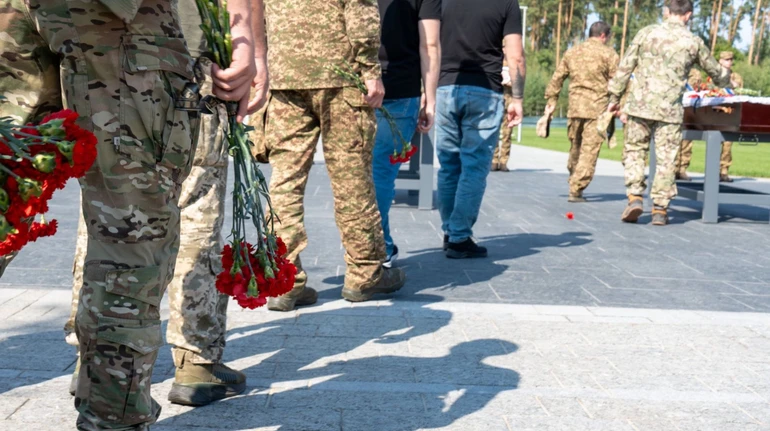
Верховна Рада ухвалила закон про перепоховання загиблих військових: що зміниться
Верховна Рада в цілому ухвалила законопроєкт №12413, що врегульовує порядок безоплатного перепоховання загиблих та померлих людей, які захищали незалежність, суверенітет і територіальну цілісність України.
"За" проголосували 285 парламентарів, повідомив народний депутат, член фракції "Голос" Ярослав Железняк.
Законопроєкт визначає, що правила безоплатного поховання також стосуватимуться перепоховання.
Згідно з пояснювальною запискою, раніше на рівні законів урегульовували лише питання безоплатного поховання загиблих військових, якщо їх, зокрема, нагороджували:
чотирма і більше медалями "За відвагу";
орденом "Золота зірка" при наявності звання Героя України;
орденом Богдана Хмельницького трьох ступенів;
відзнакою президента "Хрест бойових заслуг".
Крім того, держава забезпечує поховання учасників бойових дій, воїнів з інвалідністю внаслідок війни та постраждалих активістів Революції Гідності.
Також Збройні сили, СБУ, МВС, БЕБ мають компенсувати витрати на поховання своїх колишніх працівників, які захищали незалежність, суверенітет та територіальну цілісність і померли під час проходження служби.
Автори документа пояснюють його мету потребою гідно вшанувати захисників і захисниць та потребою членів їхніх сімей, які масово звертаються до місцевих влад із проханням перепоховати за останнім місцем проживання рідних, яких похоронили на деокупованих територіях.
Нагадаємо, наприкінці серпня перші поховання невідомих військових провели на новоствореному Національному військовому меморіальному кладовищі (НВМК).
За перший місяць роботі на цвинтарі похоронили 108 полеглих захисників, серед яких імена 97 не встановлені.
1204 людей похилого віку беруть участь у Програмі взаємодопомоги “Надія”. Більшість із них — самотні. Ми хочемо, щоб вони ніколи не залишалися без підтримки.
Фонд “Надія.юа” створює грошовий резерв, який працюватиме на майбутнє: відсотки з депозитів дозволять щороку допомагати 40–50 учасникам — оплатити операцію, ліки, чи достойно провести в останню путь.
Наша мета — зібрати 2 000 000 грн.
Кожна пожертва — це частинка надії й гідності для тих, хто цього найбільше потребує.
EN 1204 elderly people take part in the Mutual Aid Program “Nadiya”. Most of them are alone. We want to ensure they are never left without support.
The “Nadiya.ua” Foundation is creating a financial reserve for the future: interest from deposits will help 40–50 participants every year — to cover surgery costs or provide dignified funeral assistance.
Our goal is to raise 2,000,000 UAH. Every donation is a piece of hope and dignity for those who need it most.

 UK
UK